

Perimenopause can feel like the body changed the rules overnight. Sleep gets lighter. Heat comes in waves. Moods shift faster than usual. Cycles may become unpredictable. For many people, the first question is simple: what can help without making everything feel more complicated?
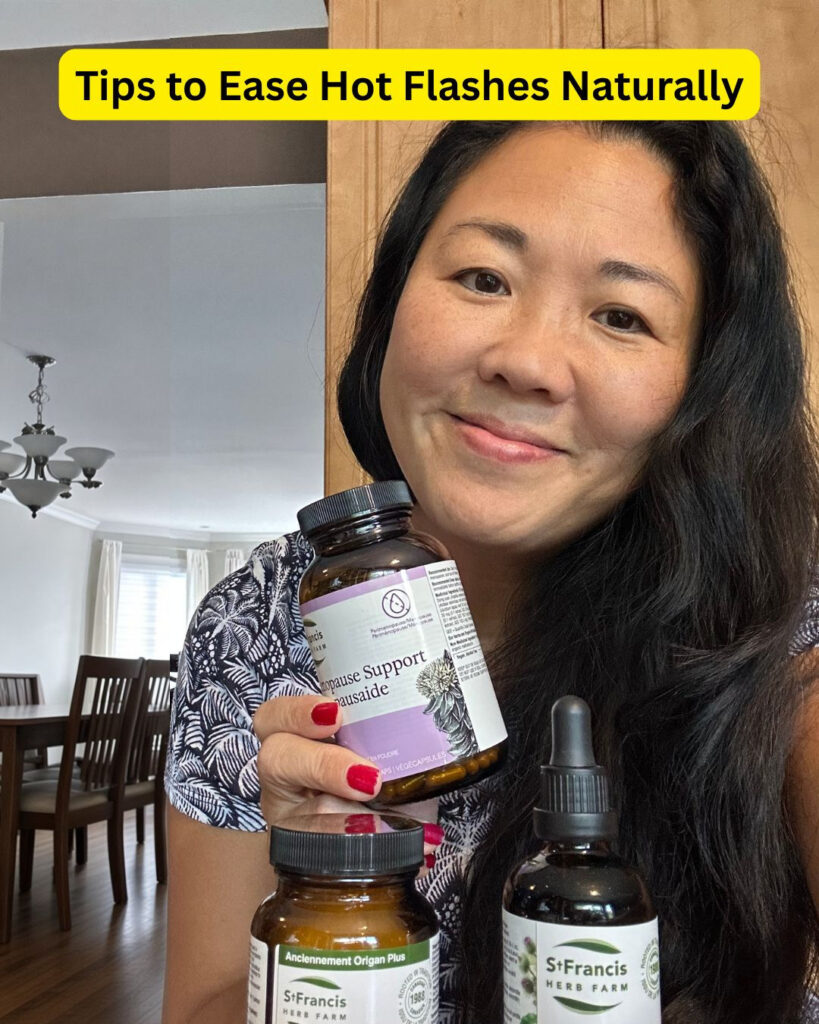
St. Francis Menopause Support is a herbal supplement designed to support this transition. The formula may vary by format or labelling updates, so always compare this guide with the ingredient panel on your own bottle. The herbs commonly associated with this formula include black cohosh, chaste tree, dong quai, sage, motherwort, licorice, wild yam, and sarsaparilla.
This article looks at how each herb may help, which perimenopause symptoms they are often used for, and which foods may calm or trigger symptoms.
This post contains affiliate links. If you buy through them, I may earn a small commission at no extra cost to you.
This article is for general education only. Menopause support supplements are not a replacement for medical care. Speak with a qualified health-care practitioner before using herbal products, especially if you take medication, have a hormone-sensitive condition, have liver concerns, or are pregnant or breastfeeding.
Common perimenopause symptoms and why they happen
Perimenopause is the transition leading up to menopause. During this time, estrogen and progesterone can rise and fall unevenly. That hormone fluctuation is one reason symptoms can feel inconsistent. One month may feel manageable, then the next month sleep, mood, and temperature regulation can feel completely different.
Common symptoms include:
- Hot flashes and night sweats
Sudden heat, flushing, sweating, or waking up damp during the night. - Sleep disruption
Trouble falling asleep, waking around 2 or 3 a.m., or feeling unrefreshed. - Mood changes
Irritability, anxiety, low mood, or feeling less emotionally steady. - Irregular periods
Cycles may become shorter, longer, heavier, lighter, or skipped. - Breast tenderness and bloating
Hormone swings can affect fluid balance and tissue sensitivity. - Brain fog and fatigue
Poor sleep, stress, and fluctuating hormones can all play a role. - Heart palpitations
Some people notice a racing or fluttering feeling, especially with stress, caffeine, alcohol, or hot flashes. Always have new or concerning palpitations assessed.
Herbs do not “force” the body into balance. A better way to think about menopause herbs is that they may support the nervous system, temperature regulation, mood, sleep, and hormonal signaling while the body moves through this stage.
The herbs that provide Natural Menopause Support
The Menopause Support Herbal blend by St Francis brings together herbs traditionally used for menopausal symptoms.
Below is a practical herb-by-herb guide.
| Herb | Traditionally used for | How it may support menopause |
|---|---|---|
| Black cohosh | Hot flashes, night sweats, mood changes | May help reduce vasomotor symptoms such as flushing and heat waves |
| Chaste tree | Cycle irregularity, PMS-like symptoms | Supports pituitary-hormone signalling involved in cycle rhythm |
| Dong quai | Menstrual changes, pelvic circulation, low vitality | Traditionally used as a women’s tonic during hormonal transitions |
| Sage | Sweating, hot flashes, digestion | Often used for excess perspiration and temperature discomfort |
| Motherwort | Nervous tension, palpitations related to stress | Calming herb traditionally used when stress affects the heart and sleep |
| Licorice | Adrenal support, fatigue, inflammation support | May support stress response, but is not suitable for everyone |
| Wild yam | Hormonal transition support, cramps | Traditionally used for menstrual and menopausal discomfort |
| Sarsaparilla | Skin, joints, general tonic support | Traditionally used as a cleansing and supportive tonic |
Black cohosh may help with hot flashes and night sweats
Black cohosh is one of the best-known herbs for menopause support. It has a long history of use for hot flashes, night sweats, irritability, and sleep disruption linked to temperature swings.
It does not act like estrogen in a simple, direct way. Research suggests its effects may involve the nervous system and temperature regulation. That makes it especially relevant for vasomotor symptoms, which include sudden heat, flushing, and sweating.
Black cohosh is not right for everyone. People with liver disease, unexplained liver symptoms, or a history of hormone-sensitive cancers should speak with a practitioner before using it.
Chaste tree supports hormone signaling and cycle changes
Chaste tree, also called vitex, is often used when perimenopause looks like a more intense version of PMS. Think breast tenderness, mood swings, bloating, and cycle changes.
Vitex is known for its effect on the pituitary gland, which helps guide reproductive hormone signaling. It is not a quick fix. When used appropriately, it is usually thought of as a longer-term support for rhythm and regulation.
This herb may be especially helpful when periods are still happening but becoming unpredictable.
Dong Quai is a traditional women’s tonic
Dong quai has deep roots in traditional herbal systems and is often used as a women’s tonic. It is commonly associated with menstrual changes, pelvic circulation, cramping, and low energy during hormonal shifts.
In perimenopause, dong quai may be chosen when symptoms include irregular cycles, tension before a period, or a sense of depletion. It is often paired with other herbs rather than used alone.
Dong quai may interact with blood-thinning medication and may not be suitable before surgery or for people with heavy bleeding. Check with a practitioner if that applies.
Sage is useful when sweating is the main complaint
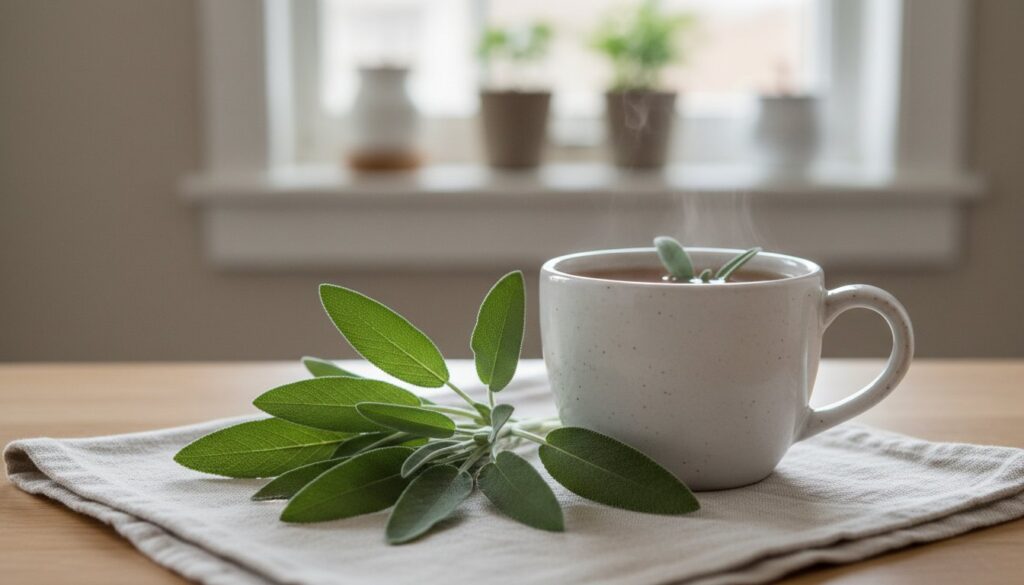
Sage is a simple but powerful menopause herb. It is traditionally used for excessive sweating, which makes it a natural fit for night sweats and hot flashes.
For someone waking multiple times because of heat and perspiration, sage can be especially relevant. It also has a long history of use for digestion, which matters because bloating and sluggish digestion can worsen discomfort during midlife hormone shifts.
Sage is strong in concentrated forms. People with seizure disorders or those taking certain medications should ask a health professional before using it medicinally.
Motherwort calms the stress response
Motherwort is a heart and nervous system herb. It is traditionally used when stress shows up as a tight chest, emotional reactivity, restlessness, or stress-related palpitations.
Perimenopause can make the nervous system feel more sensitive. A small stressor may trigger a larger response than it used to. Motherwort may help when symptoms include:
- anxious tension
- irritability
- trouble settling at night
- stress-related fluttering sensations
- feeling “wired but tired”
New, painful, or persistent palpitations should always be assessed by a medical professional.
Licorice may support stress resilience, but it needs caution
Licorice root is used in herbal medicine for adrenal and stress support. During perimenopause, stress can worsen hot flashes, cravings, sleep problems, and mood swings. A herb that supports stress resilience may be useful in a broader formula.
Licorice also has important cautions. It can raise blood pressure in some people and may affect potassium levels. It may interact with blood pressure medication, diuretics, heart medication, corticosteroids, and other prescriptions.
Anyone with high blood pressure, kidney disease, heart disease, or fluid retention should get professional guidance before using licorice-containing supplements.
Wild yam is traditionally used for hormonal discomfort
Wild yam is often included in formulas for menstrual and menopausal transitions. It contains plant compounds called diosgenin, but the body does not convert wild yam into progesterone on its own. That is a common misunderstanding.
Its real value is more traditional: it has been used for cramping, spasms, and hormone-related discomfort. In a natural menopause support blend, wild yam may help round out the formula for people dealing with body tension, cycle discomfort, or pelvic heaviness.
Sarsaparilla is a supportive tonic herb
Sarsaparilla is traditionally used as a tonic herb, often for skin, joints, and general clearing support. In midlife, some people notice more skin changes, joint stiffness, or inflammatory-type discomfort.
It is not the main hot flash herb in the formula. Instead, it may offer background support by contributing to the overall tonic and cleansing profile of the blend.
How these herbs match common perimenopause symptoms
A combined formula can be useful because perimenopause rarely creates one isolated symptom. Hot flashes affect sleep. Poor sleep affects mood. Stress can trigger palpitations and cravings. Food triggers can make night sweats worse.
Here is how the herbs may line up with common concerns:
| Symptom | Herbs that may help | Why they fit |
|---|---|---|
| Hot flashes | Black cohosh, sage | Support temperature regulation and sweating patterns |
| Night sweats | Sage, black cohosh, motherwort | Help with perspiration, heat waves, and nighttime nervous tension |
| Irritability | Motherwort, chaste tree, black cohosh | Support mood, stress response, and hormonal fluctuation |
| Irregular cycles | Chaste tree, dong quai, wild yam | Traditionally used for cycle rhythm and menstrual discomfort |
| PMS-like symptoms | Chaste tree, motherwort, dong quai | Support breast tenderness, mood shifts, and premenstrual tension |
| Stress-related palpitations | Motherwort | Traditionally used for nervous tension felt in the heart area |
| Fatigue from stress | Licorice, dong quai | Support stress resilience and traditional vitality pathways |
This is where herbal blends can be helpful. Instead of focusing only on estrogen, they support several systems at once: nervous system, circulation, temperature response, stress tolerance, and cycle rhythm.
Foods to eat during perimenopause
Food will not erase perimenopause, but it can make symptoms more manageable. Blood sugar swings, alcohol, dehydration, and low protein intake can all worsen hot flashes, mood changes, sleep disruption, and cravings.
Aim for steady, simple meals built around protein, fibre, healthy fats, and colourful plants.
Eat more of these foods
- Protein at each meal
Eggs, Greek yogurt, tofu, tempeh, chicken, turkey, fish, lentils, beans, and cottage cheese can help steady blood sugar and support muscle mass. - High-fibre carbohydrates
Oats, barley, quinoa, brown rice, sweet potatoes, beans, lentils, berries, apples, ground flaxseed, and chia seeds support digestion and blood sugar balance. - Phytoestrogen-rich foods
Soy foods such as tofu, tempeh, edamame, and soy milk contain isoflavones. Ground flaxseed also contains lignans. These plant compounds may gently support hormone balance for some people. - Calcium-rich foods
Yogurt, kefir, fortified plant milks, tofu set with calcium, canned salmon with bones, sesame, tahini, and leafy greens support bone health. - Magnesium-rich foods
Pumpkin seeds, almonds, cashews, spinach, black beans, dark chocolate, and whole grains may support relaxation, sleep quality, and muscle tension. - Omega-3 fats
Salmon, sardines, trout, chia seeds, hemp seeds, flaxseed, and walnuts support heart and brain health. - Hydrating foods
Cucumber, oranges, berries, soups, herbal teas, and water-rich vegetables can help if night sweats are causing fluid loss.
A simple perimenopause-friendly plate
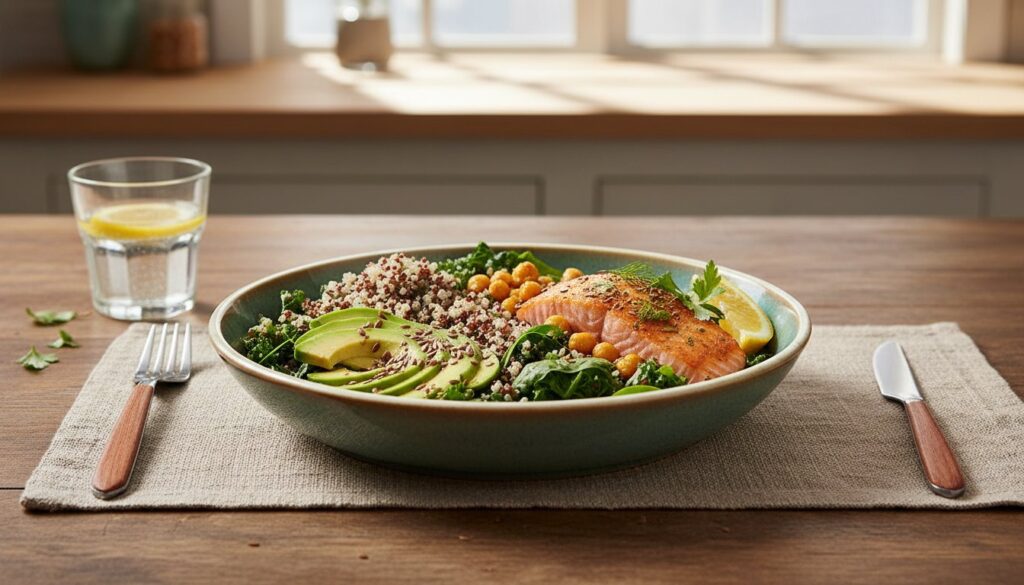
A helpful plate could look like this:
- Half a plate of vegetables
- One palm-sized portion of protein
- One fist-sized portion of high-fibre carbohydrate
- One to two thumb-sized portions of healthy fat
- Water or herbal tea on the side
For breakfast, that might be Greek yogurt with berries, ground flaxseed, and pumpkin seeds. For lunch, it could be lentil soup with greens and whole grain toast. For dinner, it might be salmon, roasted sweet potato, and a large salad with olive oil dressing.
Foods and habits that can trigger symptoms
Triggers vary from person to person, but some patterns are common. Keeping a simple symptom journal for two weeks can help reveal what matters most.
Track:
- hot flashes
- night sweats
- alcohol
- caffeine
- spicy foods
- sleep quality
- stress level
- cycle changes
- skipped meals
- sugar intake
Common food and drink triggers to reduce or avoid
- Alcohol
Red wine is a common trigger for hot flashes, night sweats, poor sleep, and next-day anxiety. - Caffeine
Coffee, strong tea, energy drinks, and some pre-workouts may worsen palpitations, anxiety, breast tenderness, and sleep disruption. - Spicy foods
Hot peppers, spicy sauces, and very warming meals can trigger flushing in some people. - High-sugar foods
Candy, pastries, sweet drinks, and large desserts can spike and crash blood sugar, which may worsen mood swings and cravings. - Ultra-processed snacks
Chips, packaged sweets, fast food, and refined snack foods are often low in fibre and may worsen inflammation, bloating, and energy dips. - Large late meals
Eating heavily close to bedtime can make reflux, night sweats, and poor sleep more likely. - Very low-calorie dieting
Under-eating can raise stress hormones, disturb sleep, increase cravings, and make fatigue worse.
Helpful swaps
| Instead of | Try |
|---|---|
| Red wine at night | Sparkling water with lime or tart cherry juice diluted with water |
| Second or third coffee | Green tea, rooibos, or half-caf coffee |
| Sugary snack | Apple with almond butter or Greek yogurt with berries |
| Spicy dinner | Herbed meal with lemon, garlic, basil, parsley, or dill |
| Skipping breakfast | Protein smoothie, eggs with toast, or overnight oats |
Small changes often work better than strict rules. Reducing one trigger at a time makes it easier to notice what actually helps.
How to use menopause support supplements wisely
Herbs can be helpful, but they deserve the same respect as any active supplement. Read the label, follow the suggested dose, and avoid combining multiple menopause products without guidance.
Before starting St. Francis Menopause Support, check in with a practitioner if any of these apply:
- you take prescription medication
- you use hormone therapy
- you have high blood pressure
- you have liver, kidney, or heart concerns
- you have a history of hormone-sensitive cancer
- you take blood thinners
- you have heavy or unexplained bleeding
- you are scheduled for surgery
- you are pregnant or breastfeeding
Also seek medical care for symptoms such as very heavy bleeding, bleeding after menopause, chest pain, fainting, severe depression, sudden shortness of breath, or new intense headaches.
A good menopause plan is rarely one thing. The best support often combines:
- targeted herbs
- steady meals
- protein and fibre
- strength training
- sleep routines
- stress care
- fewer personal triggers
- medical support when needed

Need Personalized Support?
If perimenopause symptoms are affecting sleep, mood, energy, or daily comfort, support is available. Reach out for help choosing the right approach, reviewing possible triggers, and deciding whether St. Francis Menopause Support is a good fit.
To purchase this supplement, click here and use discount code bechamp15 for 15% OFF at checkout!
Menopause is a transition, not a failure of the body. With the right herbs, steady nutrition, and fewer triggers, this stage can feel clearer, calmer, and much more manageable.
For 15-20% discount on practitioner grade supplements, click here to create a client account and get access to free resources and health protocols!
Note: ingredients of this supplement may change without notice – always read ingredients before purchase.