
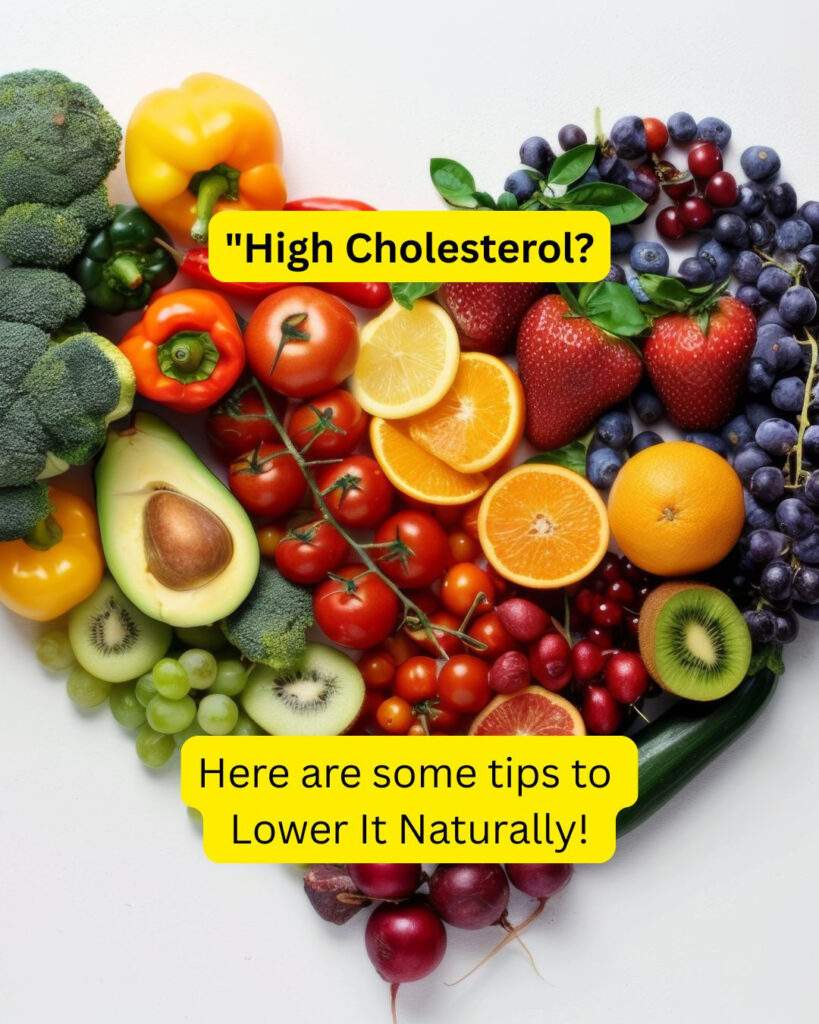
High LDL cholesterol, often called “bad cholesterol,” increases the risk of heart disease and stroke. Many people seek natural methods to reduce LDL levels without relying solely on medication. This post explores ten practical, science-backed ways to lower LDL cholesterol through lifestyle and dietary changes.
Understand LDL Cholesterol and Its Impact
LDL cholesterol carries cholesterol to the arteries, where it can build up and form plaques. These plaques narrow arteries, reducing blood flow and increasing the risk of heart attacks. Lowering LDL cholesterol helps protect your heart and improves overall cardiovascular health.
1. Eat More Soluble Fiber
Soluble fiber dissolves in water and forms a gel-like substance in the gut. This gel binds cholesterol and helps remove it from the body. Foods rich in soluble fiber include:
- Oats and oat bran
- Barley
- Beans and lentils
- Fruits like apples, oranges, and pears
- Vegetables such as carrots and Brussels sprouts
Studies show that consuming 5 to 10 grams of soluble fiber daily can reduce LDL cholesterol by 5 to 10%.
2. Choose Healthy Fats Over Saturated Fats
Saturated fats raise LDL cholesterol. Replace them with healthier fats such as:
- Monounsaturated fats found in olive oil, avocados, and nuts
- Polyunsaturated fats found in fatty fish like salmon, walnuts, and flaxseeds
For example, swapping butter for olive oil in cooking can significantly improve cholesterol levels.
3. Include Plant Sterols and Stanols in Your Diet
Plant sterols and stanols are natural substances that block cholesterol absorption in the intestines. Foods fortified with these compounds, such as certain margarines, orange juice, and yogurt drinks, can lower LDL cholesterol by about 5 to 15%.
4. Exercise Regularly
Physical activity helps raise HDL cholesterol (the “good” cholesterol) and lowers LDL cholesterol. Aim for at least 150 minutes of moderate aerobic exercise per week, such as brisk walking, cycling, or swimming.
Even short daily walks can make a difference. Exercise also helps maintain a healthy weight, which supports cholesterol management.
5. Maintain a Healthy Weight
Excess body weight contributes to higher LDL cholesterol. Losing just 5 to 10% of your body weight can reduce LDL levels and improve heart health.
Focus on balanced meals and regular physical activity to achieve sustainable weight loss.
6. Limit Dietary Cholesterol Intake
While dietary cholesterol has less impact on blood cholesterol than once thought, reducing intake can still help some people. Limit foods high in cholesterol, such as:
- Organ meats
- Shellfish
- Egg yolks (moderate consumption is generally safe)
Focus on plant-based foods and lean protein sources instead.
7. Avoid Trans Fats
Trans fats raise LDL cholesterol and lower HDL cholesterol. They are found in many processed foods, including:
- Margarines
- Baked goods like cookies and pastries
- Fried fast foods
Check food labels for “partially hydrogenated oils” and avoid products containing them.
8. Add Omega-3 Fatty Acids to Your Diet
Omega-3 fatty acids do not lower LDL cholesterol directly but improve heart health by reducing inflammation and triglycerides. Sources include:
- Fatty fish such as salmon, mackerel, and sardines
- Flaxseeds and chia seeds
- Walnuts
Eating two servings of fatty fish per week is recommended for cardiovascular benefits.
9. Reduce Sugar and Refined Carbohydrates
High intake of sugar and refined carbs can raise triglycerides and lower HDL cholesterol, indirectly affecting LDL levels. Limit foods like:
- Sugary drinks
- White bread and pastries
- Candy and sweets
Choose whole grains, fruits, and vegetables instead.
10. Manage Stress and Get Enough Sleep
Chronic stress and poor sleep can negatively affect cholesterol levels and heart health. Practice stress-reducing techniques such as:
- Meditation or deep breathing exercises
- Regular physical activity
- Maintaining a consistent sleep schedule with 7 to 9 hours of quality sleep per night
These habits support overall well-being and healthy cholesterol levels.
For a deeper and customized plan, click here for a free discovery call: